Overview
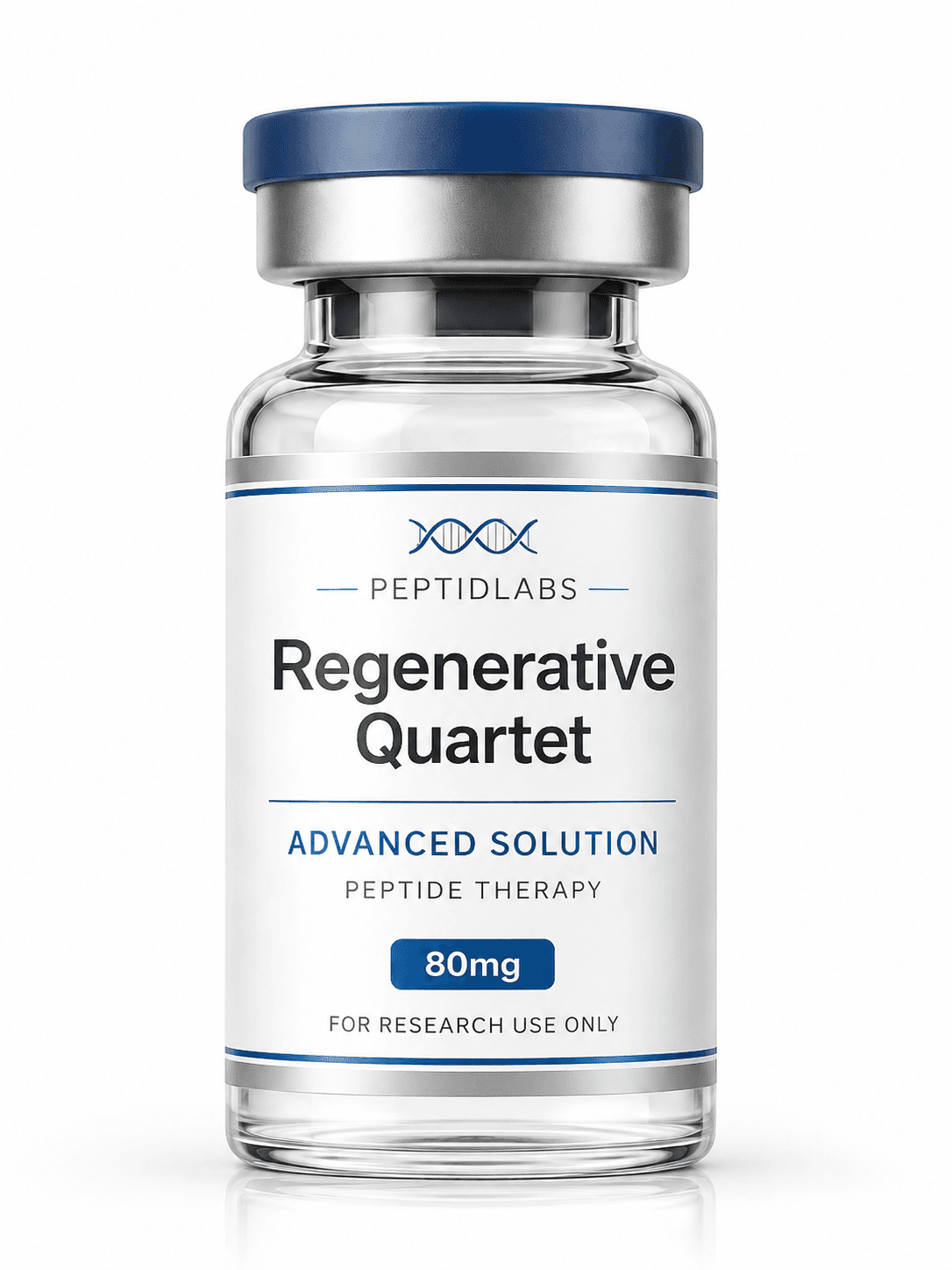
The "Peptide blends" series is built on a specific scientific logic - most peptides act on one mechanism (angiogenesis alone, cell migration alone, anti-inflammatory alone), but most real injuries call for several at once. The blends here aren't a marketing trick to inflate SKU count - they follow mechanistic complementarity described in peer-reviewed literature.
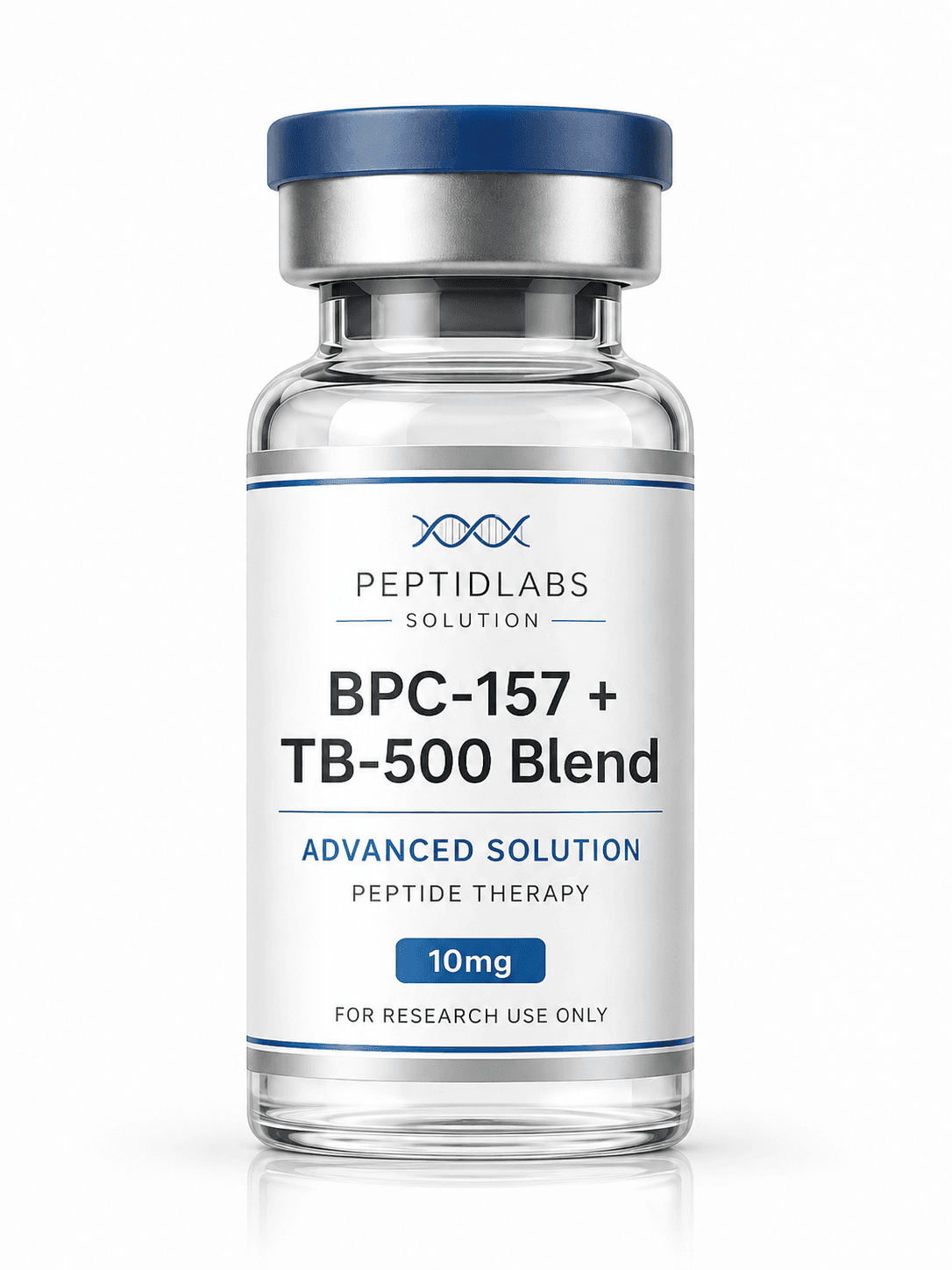
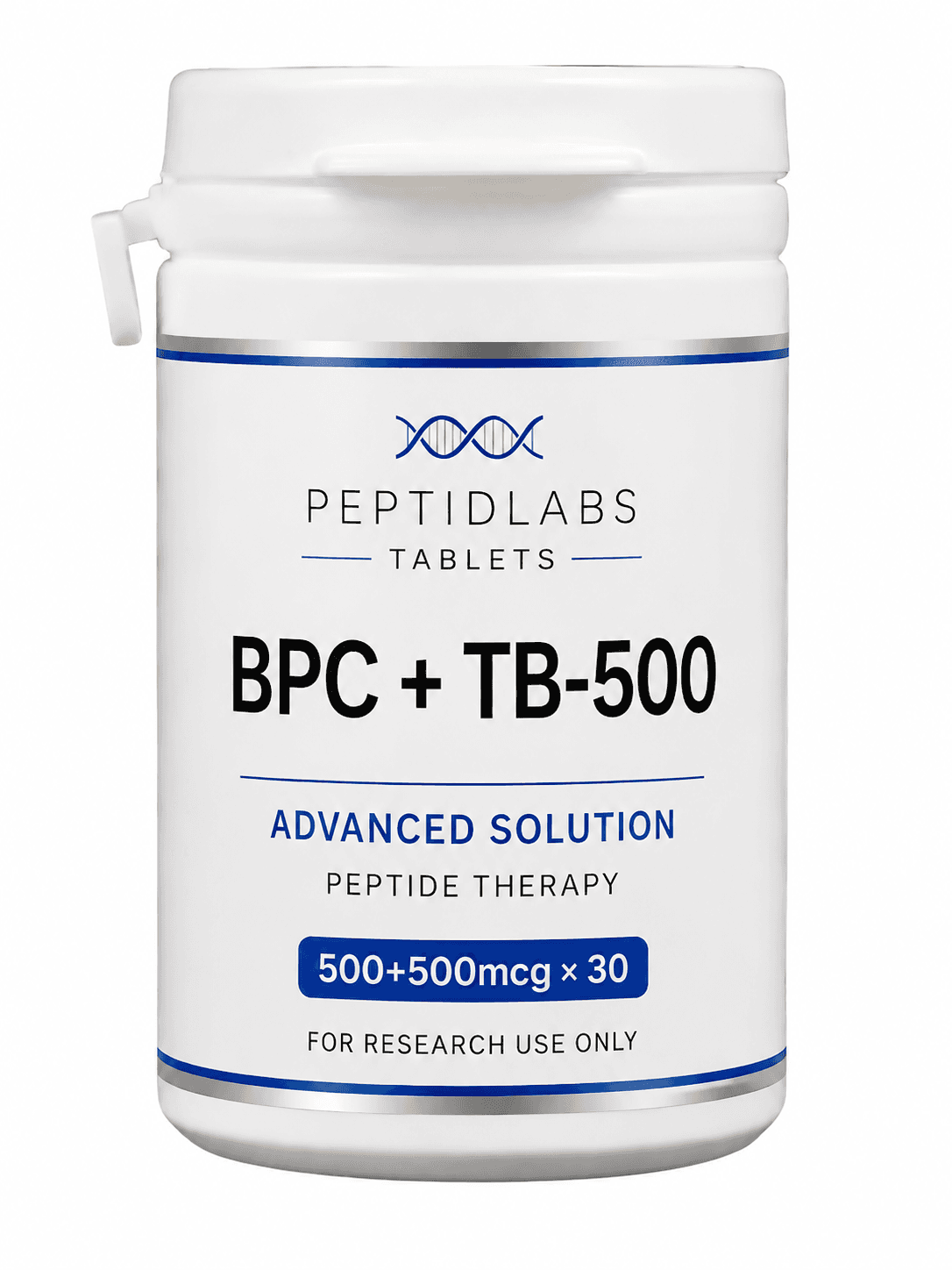
The canonical blend is BPC-157 + TB-500. BPC-157 raises VEGFR2 expression in model wounds (Hsieh et al., Vasc Pharmacol 2017) and thereby stimulates angiogenesis; TB-500 binds G-actin and supports cell migration to sites of damage (Goldstein et al., Ann NY Acad Sci 2005). The two mechanisms are complementary - new vascularization without cell migration to tissue doesn't regenerate; migration without blood supply can't sustain metabolic activity in the new tissue.
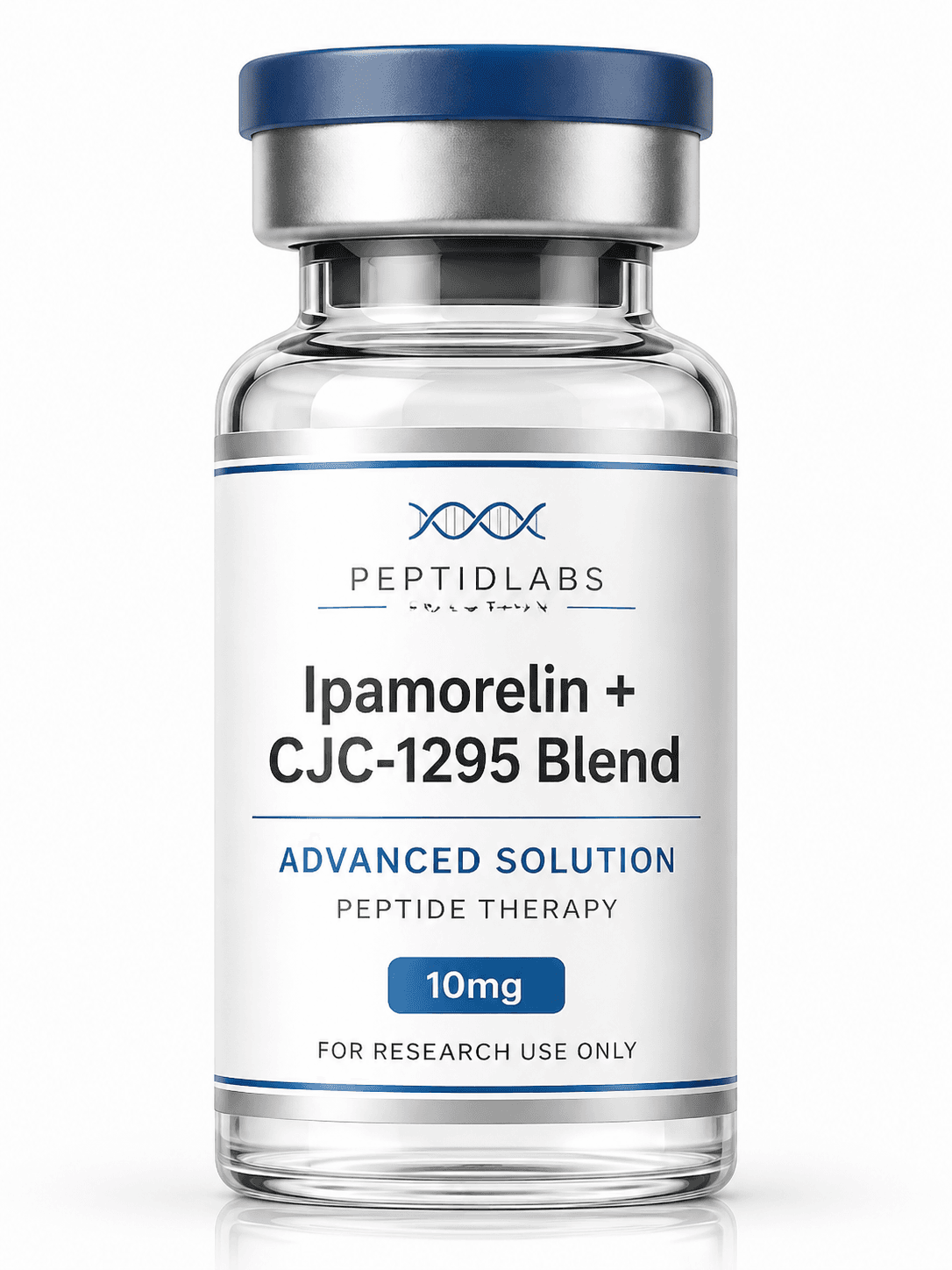
Not every blend has scientific grounding. For a blend to be meaningful, two peptides must: (1) act on different receptor systems without redundant stimulation, (2) have compatible half-lives (Ipamorelin 2h + CJC-1295-DAC 8 days is a stable pairing; CJC-1295 without DAC + Ipamorelin is not), and (3) lack a known antagonistic interaction. For researchers, blends simplify protocols but don't replace understanding individual mechanisms - we recommend an encyclopedia comparison before combining.
Related resources: · ·