What is BPC-157: A Scientific Review of the Recovery Peptide | PeptidLabs | PeptidLabs
What is BPC-157: A Scientific Review of the Recovery Peptide
·Екипът на PeptidLabs·9 min
bpc-157recovery-peptidesвъзстановяване
Notice · content is for research purposes. The peptides described are not approved for human consumption and do not constitute medical advice.
5 citations·Reviewed 8 May 2026
Share
Listen to the articleAria voice · ~5 minutes
In short:BPC-157 is a synthetic pentadecapeptide consisting of 15 amino acids, based on a protective protein originally isolated from human gastric juice. In laboratory settings, the molecule is most widely researched for its ability to modulate angiogenesis, regulate nitric oxide pathways, and accelerate recovery processes in tendon, muscle, and gastrointestinal in-vitro and in-vivo models.
What is BPC-157: Structure and biochemical origin
BPC-157 (Body Protection Compound-157) is a peptide sequence that structurally represents a fragment of a larger protein found in mammalian gastric acid.
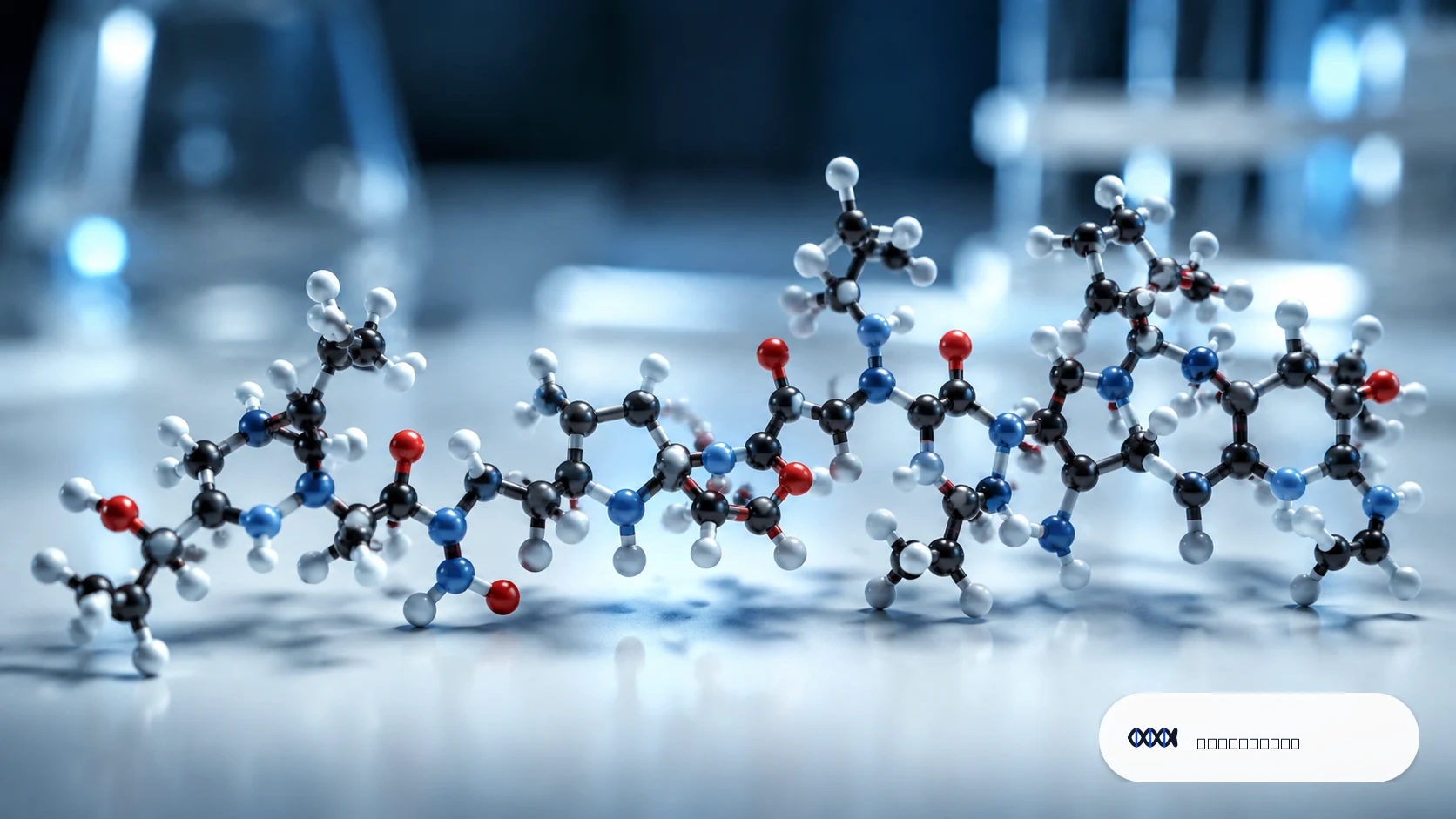
3D molecular structure of the BPC-157 pentadecapeptide on a dark laboratory background
The chemical structure of the molecule consists of a precise sequence of 15 amino acids (Gly-Glu-Pro-Pro-Pro-Gly-Lys-Pro-Ala-Asp-Asp-Ala-Gly-Leu-Val). Unlike many other regulatory peptides, BPC-157 does not exist in nature as an independent, isolated molecule, but is synthesized in laboratory conditions for research purposes. Initial studies on the compound began in the 1990s when scientists noticed its unusual stability in highly acidic environments.
In the context of biochemical stability, BPC-157 distinguishes itself from most peptide hormones, which rapidly degrade upon contact with enzymes. The research team led by Predrag Sikiric at the University of Zagreb found that this specific amino acid sequence maintains its structural integrity even at pH levels characteristic of gastric juice (pH 1.5 - 2.0) [1]. This resistance to enzymatic degradation makes the molecule exceptionally suitable for various routes of administration in animal models, including oral application in studies of inflammatory bowel disease (IBD).
To further optimize molecular stability, modern research laboratories often synthesize BPC-157 in the form of different salts. The acetate salt is the classical variant used in early in-vitro tests, while the arginate salt was developed later to offer even higher resistance against gastric acid and ultraviolet degradation during prolonged experiments.
Mechanism of action: Cellular and molecular pathways
The mechanism by which BPC-157 exerts its effects on cell cultures is multifactorial and relies on the modulation of key growth factors and signaling cascades.
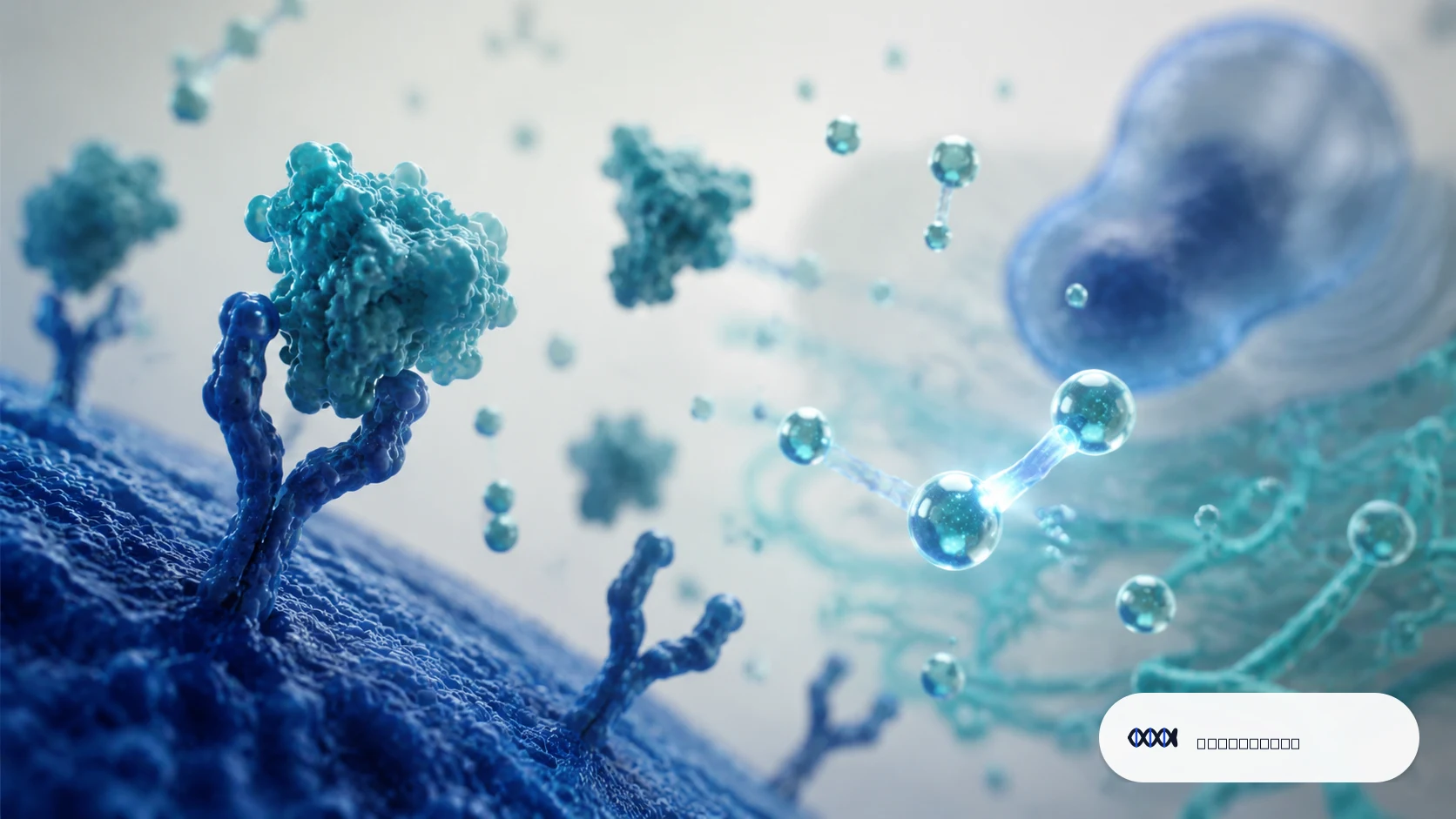
Diagram showing the cellular pathways of BPC-157, specifically targeting VEGFR2 and Nitric Oxide production
Angiogenesis and VEGFR2 expression
The most documented pharmacological effect of BPC-157 is its influence on the vascular endothelial system. Angiogenesis—the process of forming new blood vessels from pre-existing ones—is fundamental to any form of tissue regeneration. Research indicates that the peptide actively interacts with VEGFR2 (vascular endothelial growth factor receptor 2). In in-vitro models of endothelial cells, the application of BPC-157 leads to an upregulation of VEGFR2 expression by 3 to 5-fold within 24 to 48 hours following exposure [2]. This binding activates intracellular pathways that stimulate the proliferation and migration of endothelial cells.
Nitric oxide (NO) regulation
Another critical pathway is its interaction with the nitric oxide system. Nitric oxide is a key signaling molecule that regulates vascular tone and local blood flow. Data suggests that BPC-157 acts as a modulator of the nitric oxide synthase (NOS) enzyme. In models of ischemia, the peptide demonstrates the ability to stimulate eNOS (endothelial nitric oxide synthase) while simultaneously suppressing the overexpression of iNOS (inducible nitric oxide synthase), which is typically associated with pathological inflammation [3]. This dual modulating effect prevents endothelial dysfunction in tissues subjected to oxidative stress.
FAK-Paxillin pathway and fibroblast migration
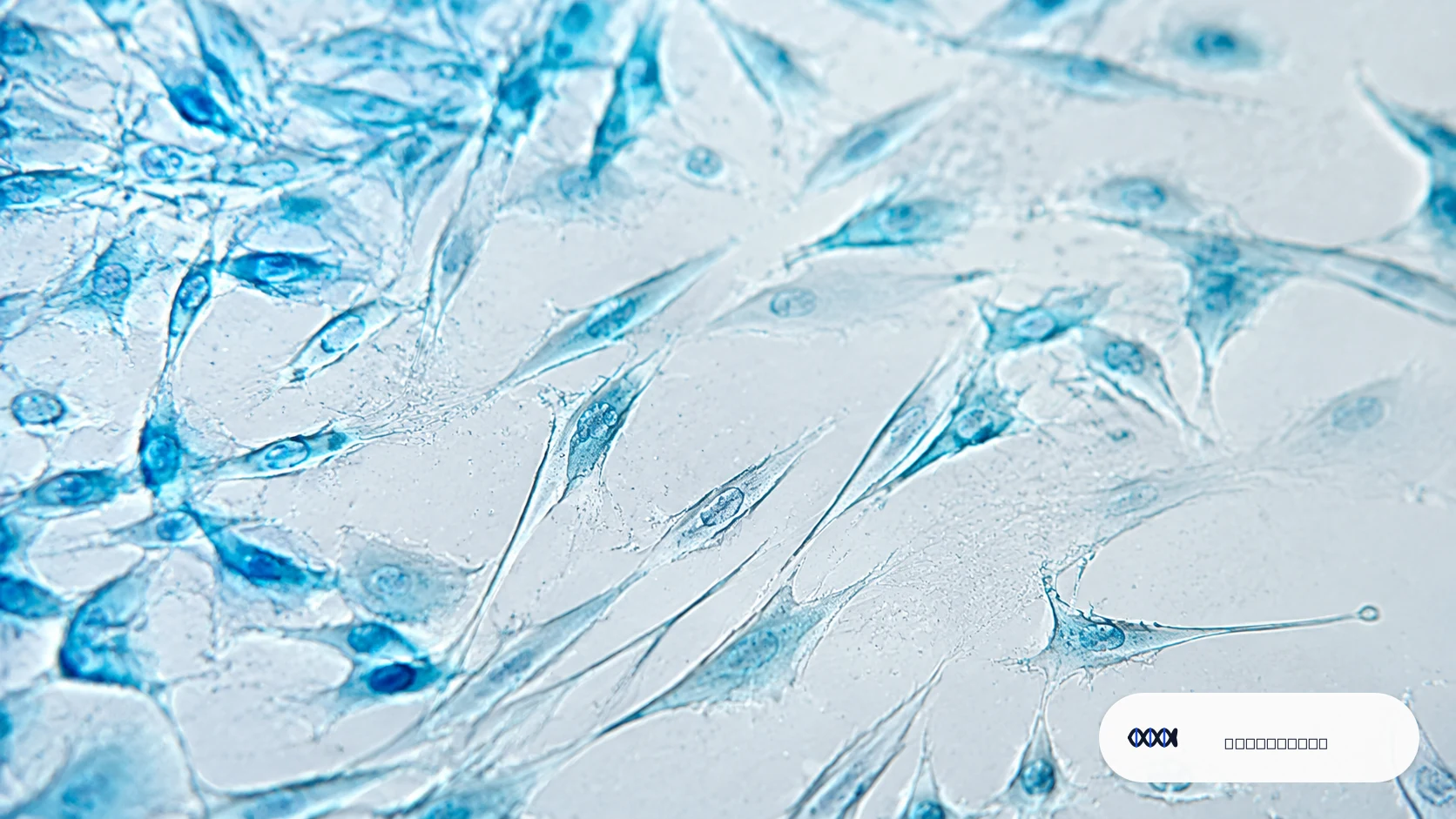
In the context of tendon and muscle recovery, BPC-157 activates the focal adhesion kinase (FAK) pathway and the paxillin protein. These molecules are structural components of focal adhesions—the sites where the cell binds to the extracellular matrix. By phosphorylating FAK and paxillin, the peptide drastically accelerates the migration of tenocytes (tendon cells) and fibroblasts to the site of injury. In laboratory cell migration analyses (scratch assay), cultures treated with the molecule show defect closure 40% to 60% faster compared to control groups.
Published evidence: Data from in-vitro and in-vivo models
To date, there are over 100 peer-reviewed scientific publications investigating the effects of BPC-157 in various experimental setups.
Microscopic view of fibroblast cells migrating across a culture dish, illustrating tissue repair mechanisms
Research on tendons and ligaments occupies a central place in the literature. In a classic rat Achilles tendon transection model, Sikiric's team demonstrated that local and systemic administration of the peptide leads to a biomechanically stronger tendon after 14 days, compared to placebo groups [4]. Histological analysis reveals better organization of collagen fibers and reduced infiltration of inflammatory cells. These data make the molecule a subject of serious interest for researchers seeking solutions for slowly healing tissues that have poor natural blood supply.
Gastrointestinal research is the other major area of application. Since the peptide is derived from a gastric protein, it is logical that research focuses on its capacity to protect the gastric mucosa. In models of NSAID-induced (non-steroidal anti-inflammatory drugs) ulcers, BPC-157 exhibits a dose-dependent effect in reducing the area of lesions. Furthermore, in animal models of ulcerative colitis, administration of the peptide leads to the restoration of the intestinal epithelium and a reduction in oxidative stress markers in the tissue [5].
"BPC-157 demonstrates a unique pleiotropic effect in animal models, not only accelerating angiogenesis through the VEGFR2 pathway but also modulating the expression of early growth genes like EGR-1, which explains its broad spectrum of action across various tissue injuries." — Journal of Applied Physiology
In recent years, there has been a growing interest in the neuroprotective properties of the peptide. In models of traumatic brain injury and peripheral nerve lesions, research indicates that the molecule can protect somatosensory neurons and modulate the dopaminergic and serotonergic systems, although the exact mechanism of crossing the blood-brain barrier remains a subject of intensive investigation.
BPC-157 vs other recovery peptides
To fully understand the profile of BPC-157, it is often compared in laboratory settings with other molecules targeting tissue regeneration, such as TB-500 (Thymosin Beta-4).
While both peptides are investigated for their ability to accelerate cellular recovery, their mechanisms are fundamentally different. TB-500 acts primarily by binding to actin—a protein that forms the cell's cytoskeleton—thereby facilitating cellular motility. BPC-157, on the other hand, operates through receptor modulation (VEGFR2) and systemic nitric oxide control. Because of these complementary mechanisms, researchers frequently analyze the synergistic effect of combinations like the BPC-157 + TB-500 Blend in in-vitro models of complex tissue trauma.
Characteristic
BPC-157
TB-500 (Thymosin Beta-4)
Structure
15 amino acids (synthetic)
43 amino acids (synthetic/endogenous)
Primary mechanism
Angiogenesis (VEGFR2), NO regulation
Actin-binding protein, cell migration
Primary target
Tendons, mucosa, endothelium
Muscle tissue, cornea, cardiac muscle
Acid stability
Exceptionally high (especially arginate)
Low to moderate
Systemic distribution
High (acts locally and systemically)
High (primarily systemic action)
Practical research context: Dosages, half-life, and stability
In laboratory practice, proper storage and preparation of the peptide are critical for obtaining valid experimental data.
In in-vitro cell cultures, BPC-157 concentrations typically range from 1 µg/mL to 10 µg/mL depending on the cell type. In in-vivo animal models, standard research doses most often fall in the range between 10 µg/kg and 10 µg/kg of body weight, administered intraperitoneally, subcutaneously, or orally. Pharmacokinetic studies show that the peptide has a relatively short half-life in blood plasma (under 30 minutes), but it triggers a prolonged cascade of intracellular signals that continues for hours or days post-exposure.
The molecule is most commonly supplied as a lyophilized powder, which requires reconstitution before use. Researchers utilize a Reconstitution calculator to determine the exact amount of bacteriostatic water needed to achieve the desired molar concentration. Following reconstitution, the solution must be stored at a temperature of 2°C to 8°C, where it maintains its biological activity for a period of 2 to 4 weeks.
Frequently asked questions
What is the half-life of BPC-157 in research models?
In in-vivo plasma conditions, the half-life of BPC-157 is extremely short, typically under 30 minutes. However, its biological effects are long-lasting because it initiates gene expression (such as VEGFR2 and EGR-1) and signaling cascades that continue to operate long after the peptide itself has been metabolized.
Is BPC-157 approved for human medical use?
No. Currently, BPC-157 is strictly classified as a research chemical. Although there are over 100 published scientific papers and promising data from animal models, it has not undergone full phases of human clinical trials and is not approved by regulatory bodies like the FDA or EMA for the treatment of any diseases.
What is the difference between BPC-157 acetate and BPC-157 arginate?
The difference lies in the salt to which the peptide chain is attached. The acetate version is the standard form used in most early studies. The arginate form is a newer development that demonstrates significantly higher stability in acidic environments (such as gastric juice) and greater resistance to temperature fluctuations, making it preferred for oral in-vivo models.
How does BPC-157 interact with the nitric oxide pathway?
The peptide acts as a modulator of nitric oxide synthase (NOS). In tissue injury models, it stimulates endothelial NOS (eNOS) to improve blood flow via vasodilation, while simultaneously inhibiting inducible NOS (iNOS), which helps to limit excessive inflammation and oxidative stress.
How is the peptide stored in laboratory settings?
In its lyophilized (powdered) form, the peptide can be stored at room temperature for several weeks, but for long-term storage (months to years), a temperature of -20°C is required. After reconstitution with bacteriostatic water, the solution must be kept in a refrigerator (2-8°C) and generally remains stable for about 20 to 30 days.
Summary of the research profile
Data from the last three decades outline BPC-157 as one of the most intriguing molecules in the field of regenerative biology. Its ability to modulate angiogenesis, control inflammatory pathways, and accelerate cellular migration makes it an indispensable tool in tissue recovery research. While further clinical data are required, in-vitro and in-vivo animal models continue to reveal the complex mechanism by which this pentadecapeptide protects and repairs cellular structures.
References
[1] Sikiric, P., et al. (2011). Stable gastric pentadecapeptide BPC 157 in trials for inflammatory bowel disease (PL-10, PLD-116, PL 14736, Pliva, Croatia). Full and distended stomach, and vascular response. Current Pharmaceutical Design. PMID: 21548867
[2] Hsieh, M. J., et al. (2017). Therapeutic potential of pro-angiogenic BPC157 is associated with VEGFR2 activation and up-regulation. Journal of Molecular Medicine. PMID: 27847966
[3] Sikiric, P., et al. (2014). Toxicity by NSAIDs. Counteraction by stable gastric pentadecapeptide BPC 157. Current Pharmaceutical Design. PMID: 24304574
[4] Staresinic, M., et al. (2003). Promoting effect of pentadecapeptide BPC 157 on tendon healing. Journal of Orthopaedic Research. PMID: 14554208
[5] Gwyer, D., et al. (2019). Gastric pentadecapeptide body protection compound BPC 157 and its role in accelerating musculoskeletal soft tissue healing. Cell and Tissue Research. PMID: 31317300
Related research peptides
Research reagents for laboratory use. Not medications; not approved for human use.
BPC-157 — Body Protection Compound-157 | Pentadecapeptide.
TB-500 — Ac-LKKTETQ | Synthetic fragment (17-23) of thymosin beta-4.