Top 5 Peptides for Beginners: A Scientific Guide | PeptidLabs | PeptidLabs
Top 5 Peptides for Beginners: A Scientific Guide
·Екипът на PeptidLabs·9 min
beginnersbpc-157tb-500
Notice · content is for research purposes. The peptides described are not approved for human consumption and do not constitute medical advice.
6 citations·Reviewed 8 May 2026
Share
Listen to the article
Aria voice · ~5 minutes
In short: For beginner researchers in the field of peptide science, starting with well-documented molecules is critical for establishing reliable laboratory protocols. The top 5 peptides that provide the most extensive foundation of published data include BPC-157 for angiogenesis, TB-500 for cell migration, Semaglutide for metabolic control, GHK-Cu for epigenetic regulation, and the Ipamorelin/CJC-1295 combination for investigating the somatotropic axis.
What are peptides for beginner researchers
Peptides for beginner researchers are synthetic amino acid sequences with a high stability profile, extensive scientific literature, and clearly defined mechanisms of action in in vitro and in vivo models.
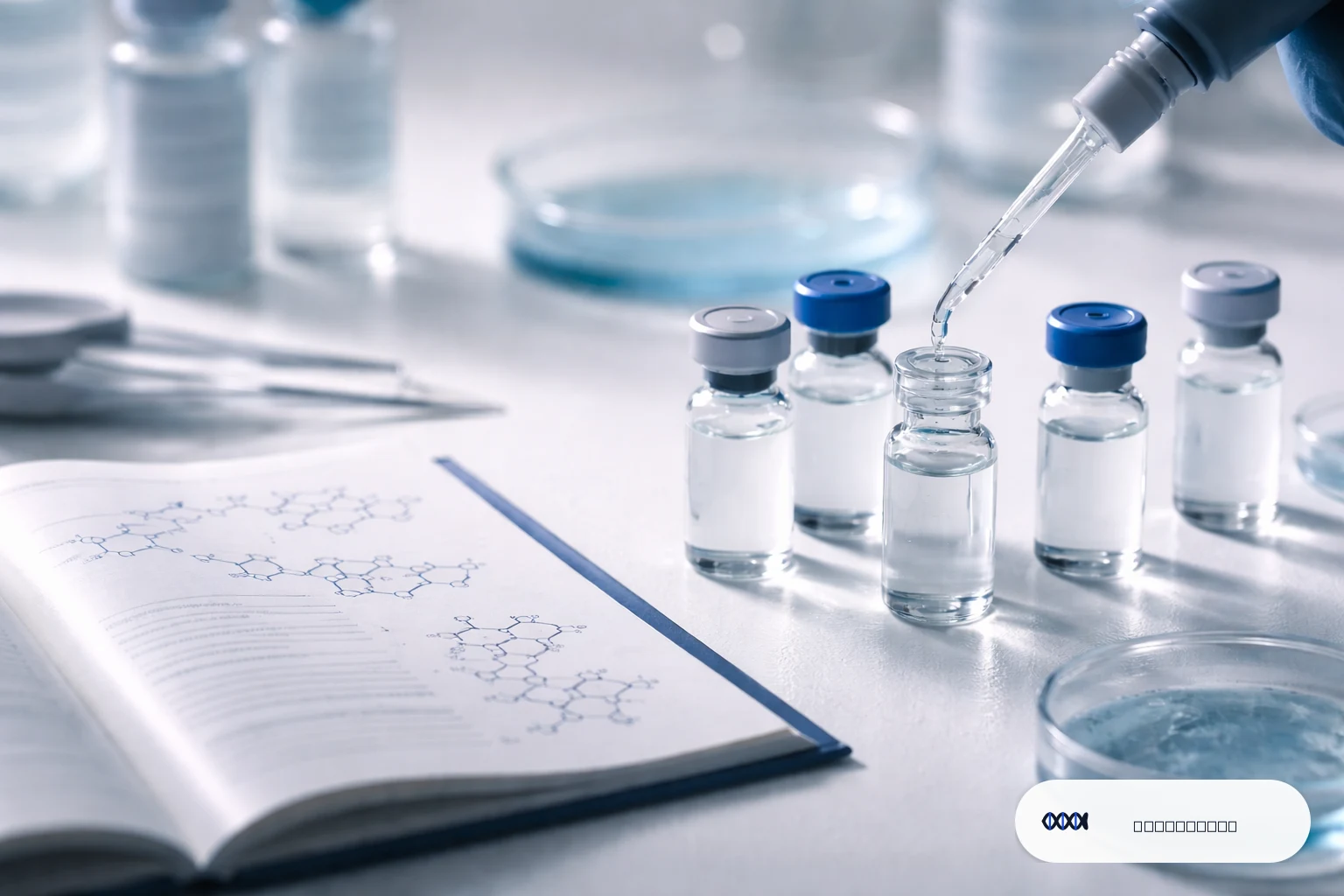
Laboratory setup showing peptide vials and pipettes next to a scientific guide
In modern biotechnology, selecting the right peptide for initial experiments determines the success of long-term research programs. When a laboratory begins working with short-chain proteins, the focus must necessarily fall on molecules that have predictable pharmacokinetics and well-studied receptor interactions. This comprehensive guide is designed to structure the available data on the most published peptides, providing academic teams with a solid starting point. Rather than experimenting with novel, poorly studied compounds, the scientific community recommends building a methodological baseline using agents that have already undergone decades of rigorous academic analysis.
The development of solid-phase peptide synthesis allows researchers access to molecules with over 99% purity, which eliminates variables associated with biological contaminants. For laboratories focused on Recovery or metabolic syndromes, understanding the baseline mechanisms of these molecules is the first step toward more complex experimental designs. Navigating the vast Encyclopedia of peptide science requires a strategic approach, where each molecule is evaluated based on its ability to generate reproducible results under standardized conditions.
Mechanism of action: From angiogenesis to metabolic control
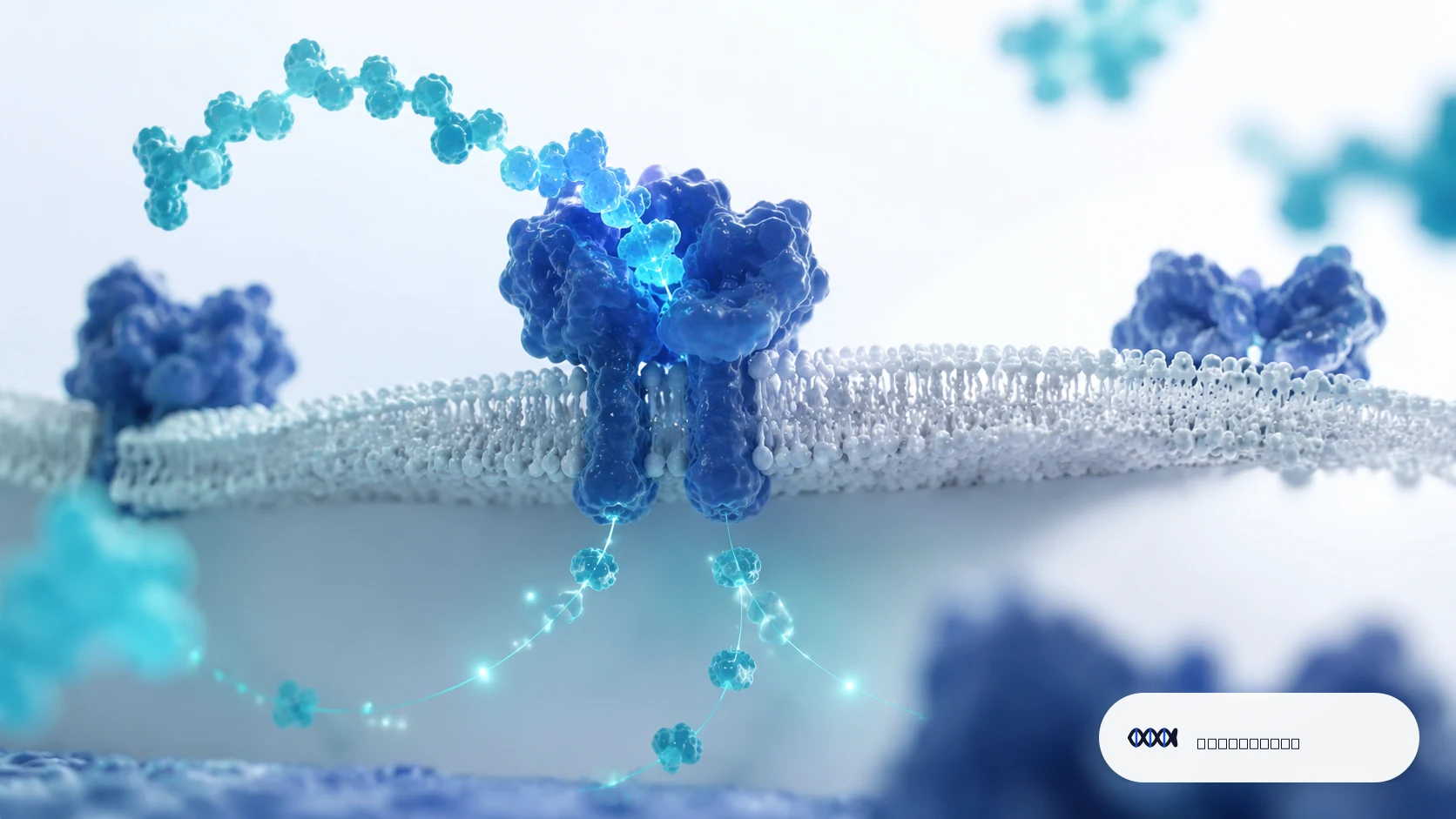
The mechanism of action of reference peptides encompasses a broad spectrum of cellular signaling pathways, including growth factor modulation, receptor agonism, and direct transcriptional regulation.
Molecular diagram showing peptide receptor interactions and cellular signaling pathways
Regulation of the vascular endothelium and cytoskeleton
The first major group of peptides of interest to beginners is related to tissue regeneration and angiogenesis. BPC-157 (Body Protection Compound 157) functions through systemic modulation of nitric oxide (NO) and direct regulation of VEGFR2 (vascular endothelial growth factor receptor 2). In laboratory models of ischemia, this molecule has demonstrated the ability to activate alternative pathways for blood vessel formation, bypassing traditional inflammatory cascades [1]. In contrast, TB-500 (a synthetic fragment of Thymosin Beta-4) operates at the intracellular level by sequestering G-actin. By binding to actin monomers, TB-500 prevents their premature polymerization, which drastically increases cellular motility and the migration of fibroblasts to areas of compromised cellular integrity.
The incretin system and metabolic pathways
In the field of metabolic research, GLP-1 (glucagon-like peptide-1) receptor agonists represent a fundamental class. Semaglutide, as a key representative, binds to GLP-1 receptors in the pancreas and hypothalamus. Its structural modification—the addition of a fatty acid (stearic acid) via a hydrophilic spacer—ensures strong binding to albumin in blood plasma, which extends its half-life to approximately 165 hours in humans [2]. This makes it an ideal candidate for long-term in vivo studies of energy homeostasis, insulin secretion, and the neuronal pathways controlling appetite.
Epigenetics and the somatotropic axis
GHK-Cu represents a unique tripeptide with a high affinity for copper ions, functioning as a potent epigenetic modulator. Research suggests that it can regulate the expression of thousands of genes, reverting the cellular profile to a younger state. On the other hand, investigation of the somatotropic axis often begins with the [Ipamorelin + CJC-1295 Blend](/products/ipamorelin-cjc-blend-10mg). Ipamorelin acts as a selective agonist of the ghrelin receptor (GHSR-1a), while CJC-1295 mimics growth hormone-releasing hormone (GHRH). Their synergistic application in animal models generates a pulsatile release of growth hormone without significantly elevating cortisol or prolactin, providing a clean model for endocrinological analyses.
Published evidence: Top 5 peptides in the scientific guide
Published academic data provide the empirical foundation through which researchers validate the efficacy and safety profile of these five key molecules in a controlled environment.
Data chart comparing the efficacy and trial results of the top 5 peptides
An analysis of the scientific literature reveals why these specific peptides have become the standard for beginners. The team of Dr. Predrag Sikiric at the University of Zagreb has published over 100 peer-reviewed papers regarding BPC-157[3]. In their in vivo models of tendon transection in rats, administration of the peptide increased VEGFR2 expression 3 to 5 times, which correlated with accelerated granulation tissue formation and restoration of tendon biomechanical strength to 85% of initial capacity within 14 days.
For metabolic peptides, the clinical trial data is unprecedented. In the STEP-1 (Semaglutide Treatment Effect in People with obesity) trial, published in The New England Journal of Medicine in 2021, researchers documented a 14.9% body mass reduction in participants over 68 weeks, compared to just 2.4% in the placebo group [2]. This massive volume of data makes GLP-1 agonists a primary focus for academic entrepreneurs exploring novel therapies for obesity and type 2 diabetes.
"The ability of GHK-Cu to modulate the expression of 31.2% of the human genome makes it not just a cosmetic agent, but a broad-spectrum tool for investigating cellular senescence and tissue remodeling." — Dr. Loren Pickart, discoverer of GHK-Cu.
In the realm of growth hormone secretagogues, the pioneering work of Dr. Cyril Bowers at Tulane University laid the groundwork for GHRP (Growth Hormone Releasing Peptides) research. Ipamorelin, developed as a pentapeptide, demonstrated in clinical trials that it induces significant GH release while maintaining the highest selectivity among its class, avoiding adrenocorticotropic side effects [4].
You can find additional information on the comparative analysis of incretins in our article [Semaglutide vs Tirzepatide vs Retatrutide — three generations of GLP-1 (2026)](/blog/semaglutide-vs-tirzepatide).
Practical research context
The practical context of working with research peptides requires strict adherence to protocols for reconstitution, storage, and maintaining a sterile environment to prevent molecular degradation.
For any laboratory integrating these molecules, proper preparation is of critical importance. Peptides are supplied in the form of a lyophilized powder, which must be reconstituted prior to use. Utilizing Bacteriostatic Water 20ml is standard practice, as the added benzyl alcohol (0.9%) inhibits bacterial growth, allowing the solution to be stored for up to 28 days at temperatures between 2 and 8 degrees Celsius. Beginner researchers must avoid injecting the solvent directly onto the lyophilized puck; instead, the liquid should be allowed to drip slowly down the wall of the vial to preserve the fragile peptide bonds.
Using a Reconstitution calculator is highly recommended for accurately determining concentrations. For example, with a 5mg vial, adding 2ml of solvent results in a concentration of 2.5mg/ml. Teams often utilize a Reconstitution Starter Kit, which contains all the necessary supplies for aseptic handling. Storing non-reconstituted vials requires temperatures below -20 degrees Celsius for long-term stability, while protection from UV light and temperature fluctuations ensures the preservation of the molecules' therapeutic potential.
Frequently asked questions
What is lyophilization and why are peptides supplied in this form?
Lyophilization is a freeze-drying process under low temperatures and vacuum that removes water from the peptide solution. This stabilizes the molecular structure, prevents hydrolysis, and allows for long-term storage at room temperature during shipping before the peptide is reconstituted in the laboratory.
Why are BPC-157 and TB-500 often researched together?
These two peptides are investigated synergistically due to their complementary mechanisms. While the BPC-157 + TB-500 Blend combines the angiogenic properties and growth factor expression (BPC-157) with enhanced cell migration and actin modulation (TB-500), researchers observe exponentially faster closure of tissue defects in in vitro models.
What is the difference between first and second-generation GLP-1 receptor agonists?
First-generation agonists, like Exenatide, have a short half-life and require daily administration. The second generation, such as Semaglutide, utilizes structural modifications (fatty acid addition) that allow it to bind to albumin, extending its half-life to over 160 hours, which permits the study of sustained receptor activation.
Can cosmetic peptides like GHK-Cu be studied in vitro?
Yes, Cosmetic peptides like GHK-Cu are extensively studied in human fibroblast cell cultures. Researchers measure the synthesis levels of type I and III collagen, as well as the production of elastin and metalloproteinases, to evaluate their potential for tissue remodeling and anti-aging.
What does "research-grade" purity mean?
research-grade purity means that the peptide has been synthesized and purified via HPLC (High-Performance Liquid Chromatography) to over 98-99% purity, with no presence of heavy metals or significant endotoxins. This is verified through a Certificate of Analysis (COA) available in our COA Vault, ensuring that laboratory results will not be compromised by impurities.
Conclusion
Building a stable methodological framework in peptide science requires the strategic selection of molecules with an extensive empirical history. Peptides such as BPC-157, TB-500, Semaglutide, GHK-Cu, and Ipamorelin/CJC-1295 provide researchers with reliable tools for analyzing cellular regeneration, metabolic control, and hormonal regulation. By strictly adhering to reconstitution and storage protocols, academic teams can generate high-quality, reproducible data that will serve as the foundation for future therapeutic innovations.
References
[1] Sikiric, P., et al. (2010). Focus on epitehlial protection. European Journal of Pharmacology, 645(1-3), 1-8. PMID: 21030672
[2] Wilding, J. P. H., et al. (2021). Once-Weekly Semaglutide in Adults with Overweight or Obesity. The New England Journal of Medicine, 384(11), 989-1002. PMID: 33567185
[3] Vukojevic, J., et al. (2022). Pentadecapeptide BPC 157 and the central nervous system. Neural Regeneration Research, 17(3), 482-487. PMID: 34380875
[4] Raun, K., et al. (1998). Ipamorelin, the first selective growth hormone secretagogue. European Journal of Endocrinology, 139(5), 552-561. PMID: 9849834
[5] Pickart, L., & Margolina, A. (2018). Regenerative and Protective Actions of the GHK-Cu Peptide in the Light of the New Gene Data. International Journal of Molecular Sciences, 19(7), 1987. PMID: 29986520
[6] Philp, D., et al. (2003). Thymosin beta4 promotes angiogenesis, wound healing, and hair follicle development. Mechanisms of Ageing and Development, 124(10-12), 1081-1088. PMID: 14506478
Related research peptides
Research reagents for laboratory use. Not medications; not approved for human use.
BPC-157 — Body Protection Compound-157 | Pentadecapeptide.