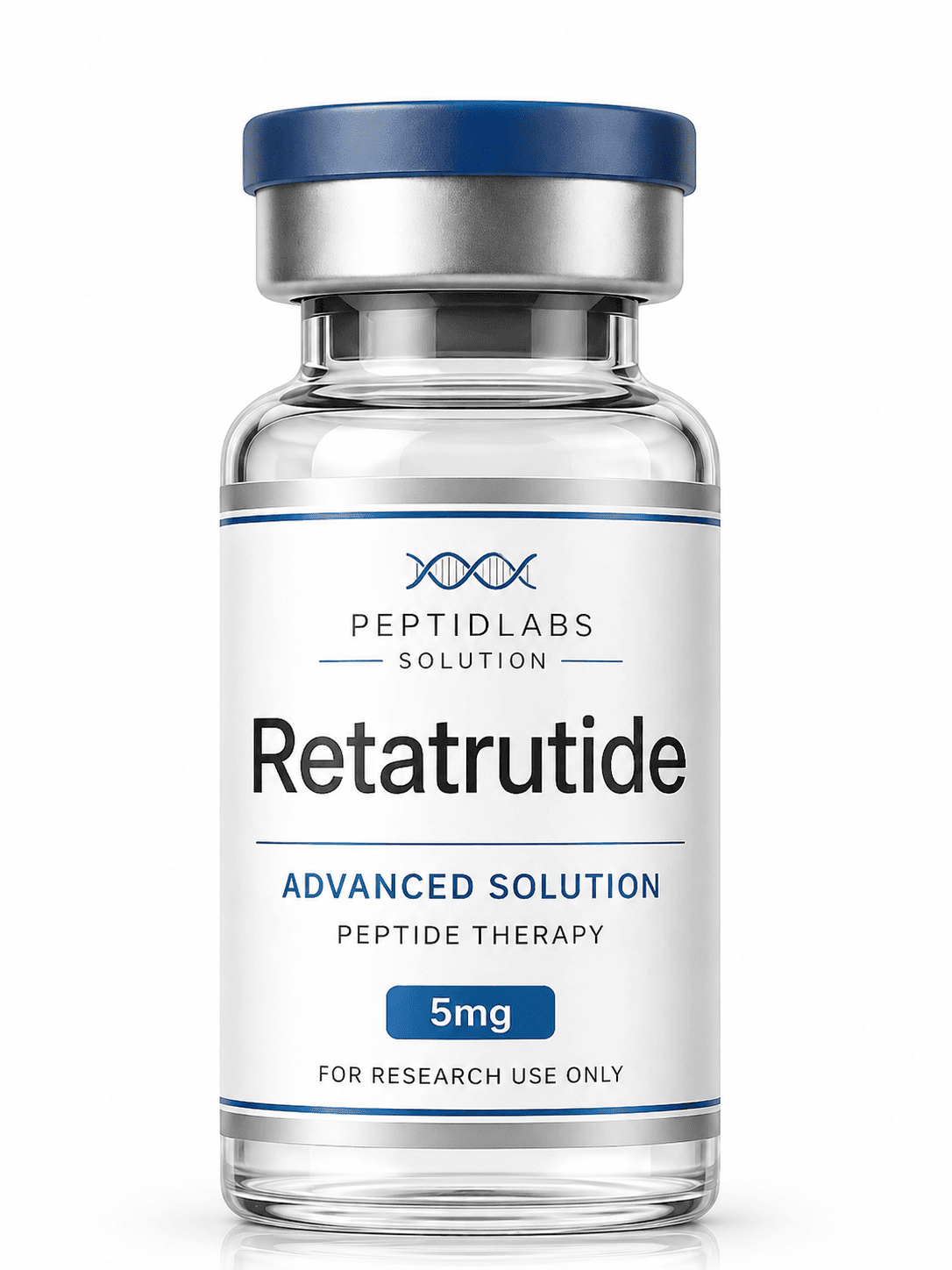
sampleGLP-1 first-gen
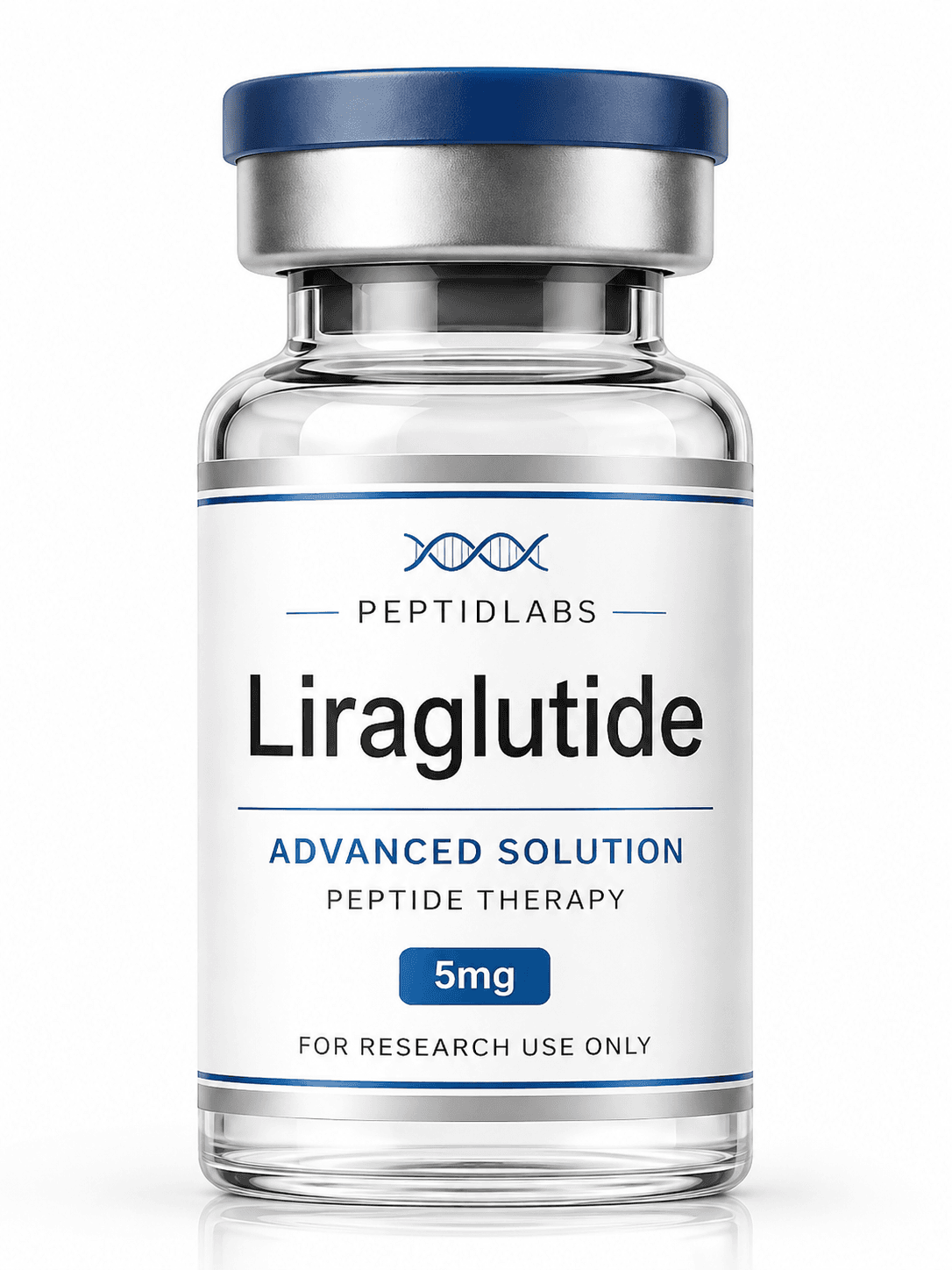
98%+ · 5mg · Lyophilized · MW: 3751.2
Bulk discount
3+ pcs
€38.00
−5%
5+ pcs
€36.00
−10%
10+ pcs
€34.00
−15%
Discount is applied automatically at checkout.
Enter your email and we'll notify you when it's back:
Free shipping over €49
This product is sold strictly for in lab conditions (in vitro) research purposes. Not approved for human consumption.
Verified above 98%
98%+ verified — most batches reach 99%+
Included
Independent analysis from accredited laboratories
EU Shipping
3-7 days across the EU (Bulgaria — 1-2 days)
Secure Payment
Cash on delivery
Liraglutide
GLP-1 Receptor Agonist | Metabolic Regulation | Daily Administration
In short
Acylated GLP-1 receptor agonist studied in clinical models of glucose homeostasis and body weight regulation.
Best sellers
Education
Related resources
Ready-to-use starter kit
Liraglutide is a synthetic peptide and GLP-1 receptor agonist, structurally modified with a fatty acid to prevent rapid degradation. At the molecular level, it activates receptors in the pancreas and the central nervous system, modulating insulin secretion and satiety signaling. The compound is currently being studied in various in vitro and animal models to understand its effects on glucose metabolism. This research-grade peptide is strictly for laboratory use and must not be confused with approved prescription medications like Victoza or Saxenda.
Research reagent for laboratory use only. Not a medicine. For medical questions, consult a physician.
Scientific review
Written by
Калина Тодорова
Magister Pharmaciae, MSc Pharmacy
Reviewed by
Борис Маринов
MSc Biochemistry & Molecular Biology
Reviewed on
Liraglutide is a glucagon-like peptide-1 (GLP-1) receptor agonist that shares 97% sequence homology with endogenous human GLP-1. The molecule features a C16 fatty acid chain attached via a glutamic acid spacer. This structural modification enables reversible binding to serum albumin, protecting the peptide from rapid degradation by dipeptidyl peptidase-4 (DPP-4). The resulting pharmacokinetic profile extends the half-life to approximately 13 hours. Researchers utilize this daily administration schedule to achieve precise dose titration and monitor acute metabolic responses.
8.0% body-weight reduction (SCALE Obesity 2015) Cardiovascular benefit (LEADER 2016, -13% MACE) Acylated GLP-1 - 13h half-life Daily dosing
Liraglutide binds to and activates the GLP-1 receptor in the pancreas, gastrointestinal tract, and central nervous system. The peptide stimulates insulin secretion in a strictly glucose-dependent manner while simultaneously suppressing inappropriate glucagon release. Central receptor activation in the hypothalamus directly regulates appetite and promotes early satiety. The compound also delays gastric emptying, which blunts postprandial glucose spikes and contributes to reduced caloric intake.
Liraglutide acts on the appetite regulation centers in the brain to increase feelings of fullness and decrease hunger. Clinical trials demonstrate sustained weight reduction when combined with caloric restriction and physical activity. The daily dosing allows for gradual titration to minimize gastrointestinal side effects.
Dosing
The typical regimens you'll see in the published research - for reference when planning in vitro or in vivo experiments. Not medical advice.
Maintain for 1 week to minimize gastrointestinal adverse effects.
Increase dose by 0.6 mg each week until target dose is reached.
Standard target dose for weight management protocols.
Disclaimer
These are regimens discussed in the research literature, not medical advice. Consult a healthcare provider before use.
Timing
Administer once daily at any time, independent of meals. Maintain a consistent injection time each day.
[Calculator]
Change water and dose · results update in real time
from product
Visual indicator
Pull to mark 10
10marks
Standard insulin syringe 1 ml (100 marks)
Concentration
2.50mg/ml
Dose volume
0.100ml
U-100 units
10units
Doses per vial
20doses
Recommended needle
29G–30G / 1 ml insulin
Small volume — draw slowly; 30G works for finer precision
Cycle planner: vials for 12 weeks, cost, schedule
Opens full calculator
Results are reference values - for in vitro work. Verify against the published literature for the specific peptide.
[Step by step]
6 steps from a sealed vial to the injection. Plain language.
Peptide vial (5 mg), bacteriostatic water vial, 1 larger syringe (3-5 ml) for drawing water and 1 insulin (1 ml) for doses. Alcohol swabs for sanitizing the caps.
Wash your hands before starting.
Wipe the rubber cap of the water vial with an alcohol swab. Insert the needle, invert the vial and draw exactly 2 ml. Get the exact volume from the calculator.
Larger syringe = smaller error in volume.
Wipe the peptide vial cap. Tilt the vial 45° and release the water SLOWLY down the inner wall. Peptides are fragile — a direct stream onto the powder denatures them.
SLOWLY · DOWN THE WALL · NOT ONTO THE POWDER.
Hold the vial between both palms and swirl slowly. DO NOT shake or flip sharply — peptides break down under mechanical stress.
DON'T SHAKE. Like tea — not like a cocktail.
The powder should fully dissolve. The solution is clear, no visible particles. If cloudy or with sediment — discard (wrong water or bad batch).
Clear = OK. Cloudy = discard.
With the insulin syringe draw the exact marks from the calculator. Swab the skin (abdomen 5 cm around the navel, thigh, or buttock), pinch a fold, insert at 45-90° and inject slowly.
Rotate sites every injection to avoid lipohypertrophy.
Schedule
Administer once daily at any time, independent of meals. Maintain a consistent injection time each day.
The daily dosing schedule of Liraglutide provides researchers and clinicians with the ability to rapidly adjust dosages in response to patient tolerance, unlike longer-acting weekly GLP-1 analogs.
Important
The daily dosing schedule of Liraglutide provides researchers and clinicians with the ability to rapidly adjust dosages in response to patient tolerance, unlike longer-acting weekly GLP-1 analogs.
1. Remove the 5mg Liraglutide vial and bacteriostatic water from the refrigerator and allow them to reach room temperature.
2. Wipe the rubber stoppers of both vials with a sterile alcohol swab.
3. Draw the desired volume of bacteriostatic water (typically 2ml) into a sterile syringe.
4. Inject the water slowly into the Liraglutide vial, aiming the stream at the glass wall to prevent foaming.
5. Swirl the vial gently in a circular motion until the lyophilized powder is completely dissolved. Do not shake.
6. Inspect the solution to ensure it is clear and free of particulate matter before use.
Gastrointestinal side effects including nausea, vomiting, and diarrhea are highly common during initial dose titration.
The peptide carries a warning for potential risk of thyroid C-cell tumors based on rodent studies.
Acute pancreatitis has been reported in clinical trials and requires immediate discontinuation if suspected.
Use is contraindicated in patients with a personal or family history of medullary thyroid carcinoma.
Rapid weight loss may increase the risk of cholelithiasis and cholecystitis.
Heart rate may elevate slightly during treatment, requiring periodic monitoring by a healthcare provider.
References
Links to peer-reviewed publications on PubMed, cited in the peptide's scientific profile.
Liraglutide and Cardiovascular Outcomes in Type 2 Diabetes
Human | 9340 participants | 3.8 years | Cardiovascular events
Marso SP et al. investigated the long-term cardiovascular safety of Liraglutide in high-risk patients. The study demonstrated a significant reduction in the primary composite outcome of cardiovascular death, nonfatal myocardial infarction, or nonfatal stroke. These findings established the cardioprotective profile of the peptide.
View the studyA Randomized, Controlled Trial of 3.0 mg of Liraglutide in Weight Management
Human | 3731 participants | 56 weeks | Body weight reduction
Pi-Sunyer X et al. evaluated the efficacy of a 3.0 mg daily dose for weight management in non-diabetic individuals. Participants receiving the peptide achieved significantly greater weight loss compared to the placebo group. The trial confirmed the viability of GLP-1 agonism for chronic obesity treatment.
View the studyEffects of liraglutide in the treatment of obesity: a randomised, double-blind, placebo-controlled study
Human | 564 participants | 20 weeks | Dose-response weight loss
Astrup A et al. conducted an early dose-finding study to assess Liraglutide across multiple daily dosages. The results showed a clear dose-dependent reduction in body weight, with the 3.0 mg dose yielding the most substantial outcomes. This research laid the groundwork for the standard titration protocol.
View the study
for longevity

for sexual health
No reviews yet. Be the first.
Share your experience with this peptide. We publish after a short moderation.