Overview
The "Immune system" series is narrow by design - it contains two peptides with fundamentally different mechanisms, covering the two extremes of immunology: adaptive (Thymosin Alpha-1) and innate (LL-37). The catalog holds no immunosuppressants; these are research agents that modulate the response, not silence it.
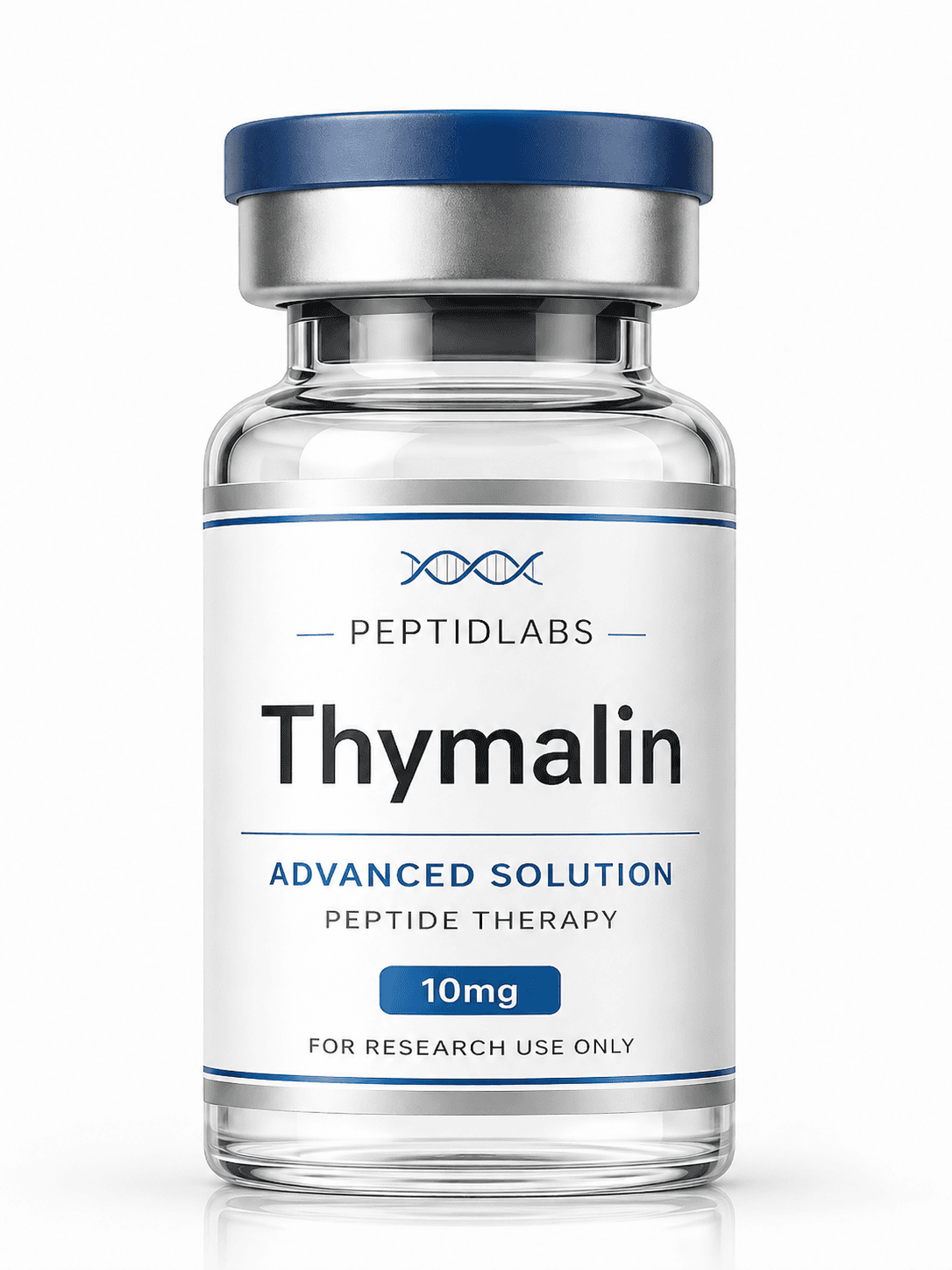
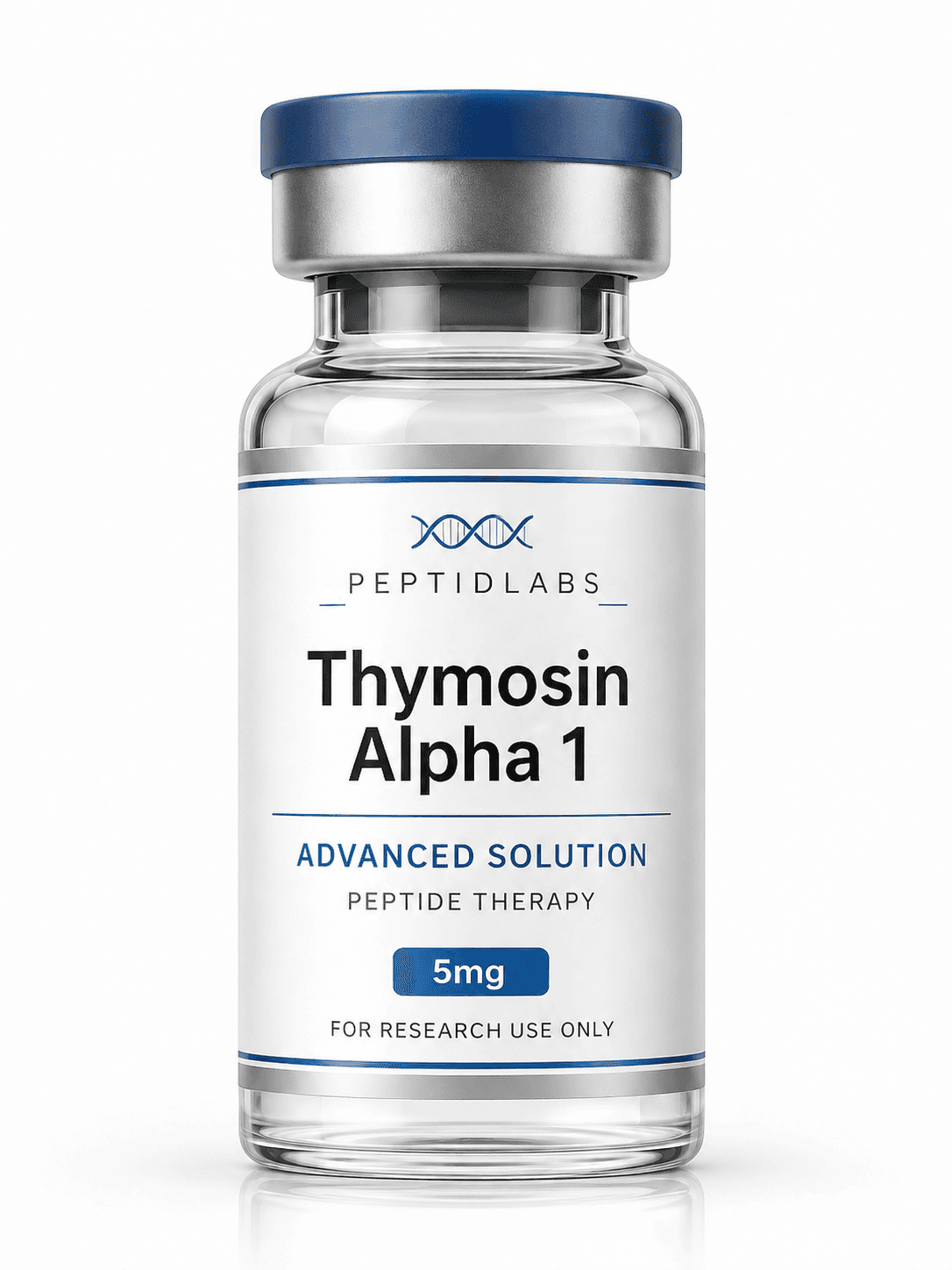
Thymosin Alpha-1 (Tα1) is a 28-amino-acid peptide, isolated from thymus extract thymosin fraction 5 by Allan Goldstein in 1972 (Albert Einstein College of Medicine). It acts on dendritic cell maturation via TLR9 and in studied models raises IL-2, IFN-γ, and CD4+ T cell proliferation (Garaci et al., Int Immunopharmacol 2003). It has clinical use in 35 countries as Zadaxin for hepatitis B, hepatitis C, and hepatocellular carcinoma - one of the few peptide molecules with pharmacological registration in the category.
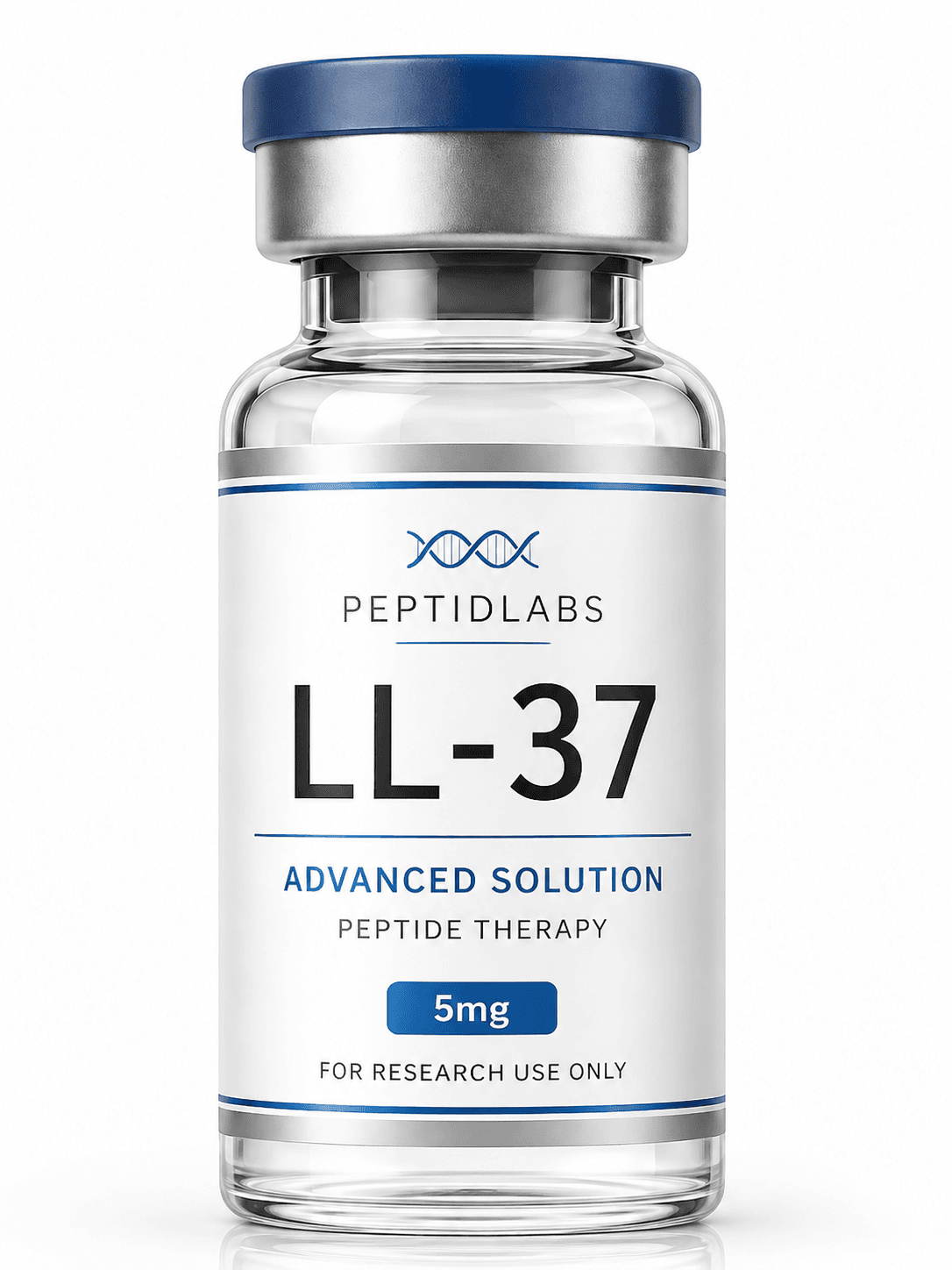
LL-37 is the only cathelicidin-derived molecule in the human genome - an antimicrobial peptide expressed by neutrophils and epithelial cells in response to infection. It acts bactericidally by disrupting bacterial membranes (Dürr et al., Biochim Biophys Acta 2006); it also has immunomodulatory properties - chemotaxis of monocytes and neutrophils via the FPR2/ALX receptor. For researchers, Tα1 and LL-37 aren't interchangeable: Tα1 for chronic viral infection with adaptive deficit, LL-37 for acute bacterial models.
Related resources: · ·